The Impact of Streaming Services on Holiday Movie Releases
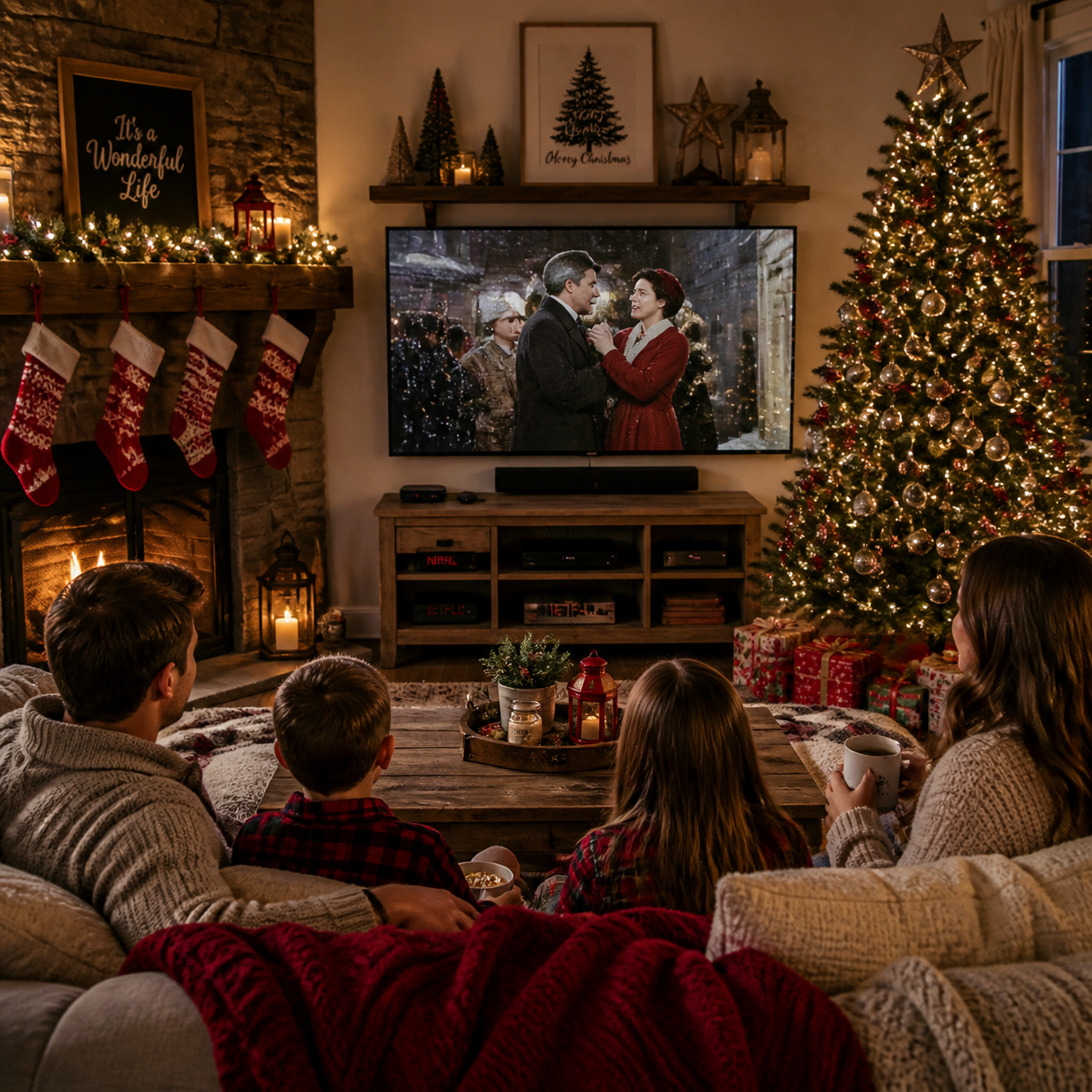
Streaming services have changed how audiences discover, watch, and revisit holiday movies. Instead of waiting for a scheduled television premiere or planning a cinema trip, viewers can often choose a seasonal film from an on-demand library whenever it suits their household.
This shift affects more than release dates. It influences how many original holiday films are produced, how platforms market seasonal programming, and whether a movie is designed for a shared theatrical event, a relaxed family evening, or repeat viewing throughout December. Traditional television and cinemas still matter, but streaming has made holiday movie distribution more flexible and less dependent on one premiere night.
How Holiday Movie Releases Have Changed
Holiday movie releases have moved from fixed schedules toward a mixture of television premieres, theatrical openings, streaming-first launches, and hybrid distribution. This gives audiences more control over when and where they watch seasonal content.
For decades, holiday viewing followed a timetable. A television network might announce a December premiere, while cinemas reserved festive family films for the busiest part of the season. Missing a broadcast could mean waiting for a repeat, buying a recording, or hoping the film returned the following year.
Streaming services have weakened that timetable. A holiday movie can appear in a platform library weeks before Christmas, remain available through New Year’s Day, and sometimes continue as part of the service’s seasonal catalog after the decorations come down. The release becomes an extended window rather than a single appointment.
That change also affects international and geographically dispersed households. A viewer can watch a seasonal title while traveling, and family members in different locations may access the same film on their own schedules, subject to regional availability and subscription access.
Release timing now reflects several practical questions:
- When will viewers begin searching for holiday programming?
- Can the film attract attention before the busiest December viewing period?
- Will it benefit from a theatrical event, a television audience, or platform recommendations?
- How long can it remain useful in a seasonal catalog?
The Rise of Streaming-First Holiday Movies
Streaming-first holiday movies are films released directly through a streaming service rather than opening primarily in cinemas. This model gives platforms greater control over availability, premiere timing, and presentation to subscribers.
Streaming-first releases suit holiday stories because seasonal viewing is often casual, repeatable, and household-oriented. A viewer may want a familiar romantic comedy while wrapping gifts, or a family may choose a light film after dinner without purchasing multiple cinema tickets. Direct-to-platform access removes much of that friction.
For streaming services, original holiday films also fill a clear programming need. Seasonal titles can be promoted through home-page collections, festive artwork, recommendation rows, email campaigns, and social media clips. Their appeal is easy to explain: romance, family, snow, music, celebration, or a second chance during the holidays.
The model can also increase content volume. A platform does not need every holiday movie to support a large theatrical run. It can serve different audiences with romantic comedies, family adventures, animated stories, Christmas mysteries, and films centered on traditions beyond Christmas.
However, streaming-first distribution has limitations. A crowded holiday catalog can make individual titles difficult to notice. Without a cinema campaign or a major broadcast slot, a film may depend heavily on recommendation algorithms and the platform’s promotional priorities. Availability can also vary by country, and viewers may need a specific subscription to watch a title.
For audiences, the main benefit is convenience. The compromise is that a streaming-first premiere may feel less like a public cultural event than a theatrical opening or widely advertised television broadcast.
Streaming vs. Theatrical Releases
The main difference is that streaming prioritizes convenience and reach, while theatrical releases prioritize a shared event and the cinema experience. Hybrid release models combine elements of both, but each strategy carries distinct advantages and trade-offs.
| Release model | Primary strength | Main limitation |
|---|---|---|
| Streaming-first | Immediate, flexible access for subscribers | Heavy reliance on platform discovery |
| Theatrical | Large-screen presentation and communal viewing | Requires travel, scheduling, and ticket purchases |
| Television premiere | Broad scheduled reach and shared appointment viewing | Less flexibility and possible advertising interruptions |
| Hybrid | Combines event visibility with later on-demand access | Release windows and availability may vary |
A theatrical release can make a holiday movie feel like an occasion. Families may treat the cinema trip as part of their seasonal ritual, especially when the film offers spectacle, animation, music, or a story that benefits from a large screen. Cinemas also provide social energy that a living-room viewing cannot fully reproduce.
Streaming works better when the film’s value lies in comfort, familiarity, and repeat use. Viewers can pause for interruptions, watch in short sessions, or return to a favorite scene. A household can choose a movie on Christmas Eve, while another family watches the same title several days earlier.
Hybrid release models are useful when distributors want both forms of attention. A film might receive a theatrical opening before moving to a streaming service, or it might become available through video-on-demand after a cinema window. The exact schedule depends on contracts, territory, audience expectations, and the film’s commercial positioning.
There is no universal winner. A large family adventure may benefit from cinemas, while a character-driven holiday romance may find a more natural home on subscription video-on-demand. The release strategy should match the viewing occasion the film is trying to create.
Why Streaming Platforms Invest in Holiday Content
Streaming platforms invest in holiday content because seasonal interest returns every year and supports sustained audience engagement. Holiday programming gives a service a recognizable, repeatable reason for subscribers to browse and watch during a concentrated period.
Holiday movies have an unusual advantage: their relevance is predictable. A new thriller may depend on broad year-round interest, but a Christmas romance or family holiday film can be promoted whenever seasonal searches and viewing habits increase. The subject itself acts as a calendar-based discovery signal.
These films also work well in groups. One household may watch a title together, then recommend it to relatives or friends. Another viewer may use the same movie as background entertainment while cooking or decorating. This creates multiple forms of engagement without requiring every viewer to watch in exactly the same way.
Recognizable themes help platforms organize large libraries. Categories such as “holiday romance,” “family Christmas movies,” “festive comedies,” or “seasonal favorites” simplify choice. A viewer who opens an app looking for something cheerful can reach a relevant title in seconds.
The investment still involves risk. Seasonal films have a limited peak window, and audiences can become tired of formulaic plots. Platforms therefore need a balance between familiar holiday conventions and enough variation in settings, characters, cultures, and storytelling styles to keep the catalog fresh.
Original holiday films also help a service develop a seasonal identity. When viewers associate a platform with reliable holiday programming, that association can encourage return visits during the next season, even if no single title becomes a permanent classic.
How Streaming Changes the Viewer Experience
Streaming changes the viewer experience by allowing people to choose the timing, location, device, and pace of seasonal viewing. Holiday movies become available across a longer period, making them easier to fit around work, travel, family commitments, and different time zones.
Flexible access is the clearest change. A viewer can watch a 90-minute film in one sitting, pause when children need attention, or divide viewing across two evenings. This matters during a season when schedules rarely align neatly.
Personalized recommendations also influence discovery. A platform may place a new original holiday film beside a familiar classic, a romantic comedy, or a family title based on previous viewing. That convenience reduces search time, although it can also narrow discovery if recommendation systems repeatedly show similar genres.
Streaming supports repeat viewing particularly well. Holiday movies often function as traditions rather than one-time experiences. A household may watch the same favorite while decorating the tree, then play another during a family gathering. On-demand libraries make that repetition simple.
Access can still be uneven. A title may disappear when licensing changes, sit behind a different subscription, or be unavailable in a particular region. Shared viewing also depends on screen size, internet reliability, account rules, and whether everyone agrees on one service.
A useful way to assess the experience is the three-part seasonal test:
- Reach: Can the intended audience legally and easily find the film?
- Fit: Does the release format suit the household’s schedule and viewing habits?
- Return value: Is the film easy and worthwhile to revisit throughout the season?
Effects on Traditional Holiday Movie Distribution
Streaming has reduced the dominance of traditional distribution without making television, cinemas, or physical media irrelevant. Instead, holiday movie viewing now operates across several channels that serve different kinds of attention.
Television networks still offer something streaming does not always reproduce: a shared schedule. A premiere advertised for a specific evening can create appointment viewing, conversation, and a sense that many households are watching together. Broadcast and cable channels also reach people who do not maintain multiple streaming subscriptions.
Cinemas remain important for films built around spectacle, communal outings, and premium presentation. A family may choose a theatrical holiday release as part of a day out, while a streaming-first movie may serve a quieter evening at home. These occasions overlap, but they are not identical.
Physical media has a different advantage: ownership. A disc or purchased digital copy can remain available without depending on a changing subscription catalog. Collectors and families with established traditions may value that permanence, especially for films they watch every year.
Streaming does challenge older habits. Viewers no longer need to wait for a broadcaster’s schedule, and a holiday movie can compete for attention with thousands of other programs. The result is greater choice, but also more fragmentation. A family may remember the tradition of watching a film together while struggling to agree on which service carries it.
The strongest traditional channels are adapting rather than simply disappearing. Television emphasizes scheduled events, cinemas emphasize shared outings, and physical media emphasizes lasting access. Streaming emphasizes flexibility and breadth.
The Future of Holiday Movie Releases
The future of holiday movie releases will likely include streaming-first, theatrical, television, and hybrid models operating side by side. Audience choice will expand, but availability, discoverability, and the value of shared viewing will remain central challenges.
Streaming services are likely to keep using early seasonal premieres to build momentum before Christmas. They may also release films in stages, pairing a limited theatrical window with later subscription video-on-demand access. A familiar holiday title can then reach viewers seeking an event and those who prefer to watch at home.
Release decisions may become more precise. Instead of treating the holiday season as one block, distributors can consider regional calendars, school breaks, cultural celebrations, and the point at which viewers begin searching for seasonal programming. That creates more opportunities for films with different traditions and audiences.
Discovery will be just as important as distribution. A large catalog helps only when viewers can find the right movie quickly. Clear categories, useful descriptions, trailers, editorial collections, and reliable availability information can make the difference between a title becoming part of someone’s seasonal routine or being overlooked.
Traditional viewing will continue to matter because holidays are social. Streaming expands access and repeat viewing, while cinemas and television can still create communal, event-based experiences. The lasting change is that audiences have more ways to build those traditions.
Frequently Asked Questions About Streaming and Holiday Movies
How are streaming services changing holiday movie release schedules?
Streaming services allow holiday movies to premiere earlier and remain available for longer than a single television broadcast or cinema opening. Viewers can choose their own viewing dates rather than following one fixed schedule.
Are most new holiday movies released directly on streaming services?
Many new holiday movies use streaming-first distribution, especially films designed for subscription video-on-demand audiences. However, theatrical releases, television premieres, and hybrid models remain active, and the pattern varies by market and title.
What are the advantages of streaming holiday movies?
The main advantages are flexible scheduling, at-home access, broad seasonal catalogs, personalized recommendations, and easy repeat viewing. The main limitations include subscription requirements, regional restrictions, changing availability, and platform overload.
Do streaming services replace theatrical holiday movie releases?
No. Streaming services compete with theatrical releases for attention, but cinemas still offer a communal and large-screen experience that suits certain holiday films and family outings.
Why are holiday movies important to streaming platforms?
Holiday movies provide recurring seasonal programming that is easy to organize, promote, and revisit each year. They can encourage browsing, viewing, and audience engagement during a predictable period of heightened interest.