How Holiday Movies Shape Nostalgia and Traditions
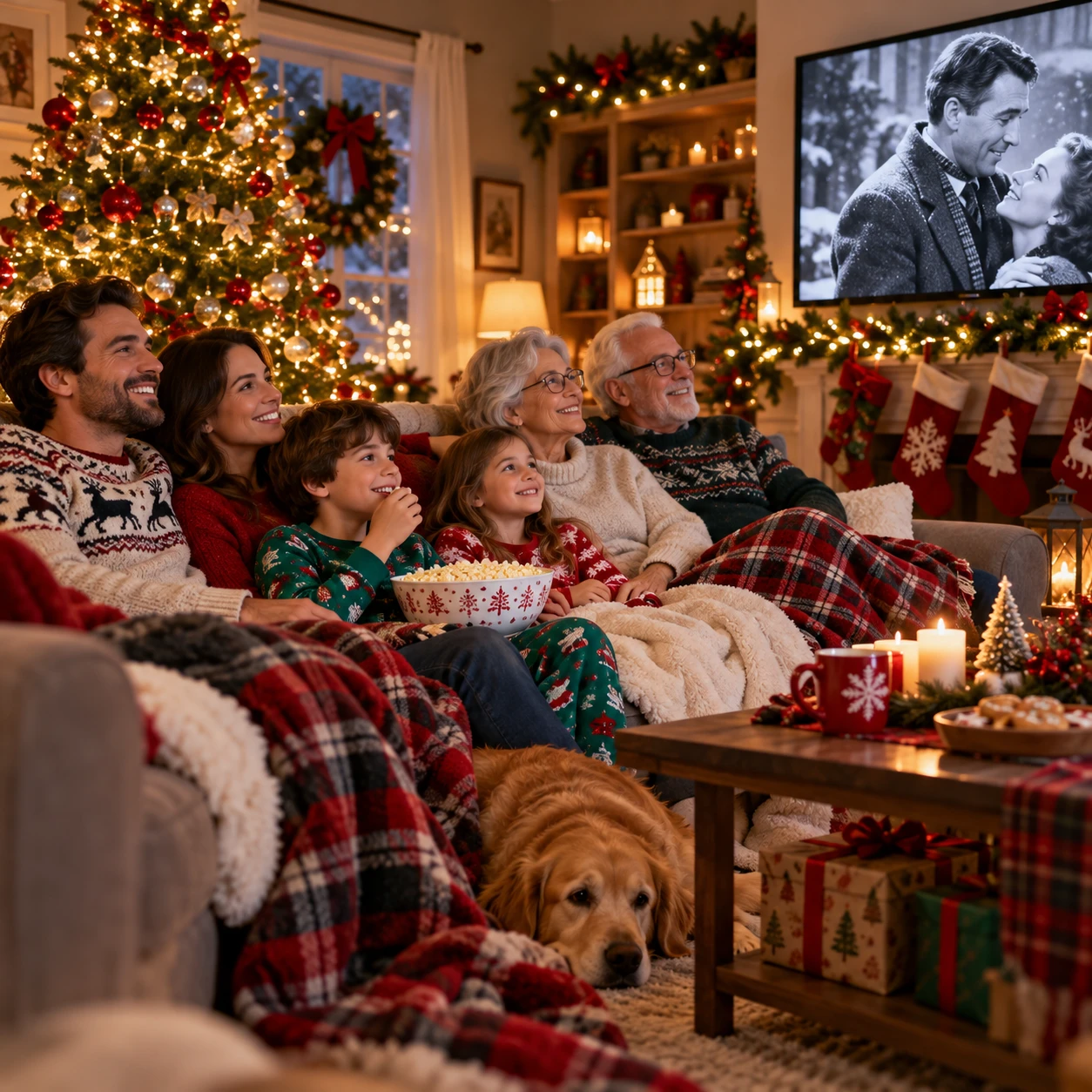
A familiar opening song, a snowy street, a character returning home: holiday movies can make the season feel recognizable before the celebrations have even begun. For many viewers, watching becomes part of the holiday atmosphere, tied to personal memories and the people beside them. For others, the same films are simply comforting entertainment, or not part of their celebrations at all.
That difference matters. A movie can invite nostalgia, but it cannot dictate what a holiday should mean. Its influence often comes from repetition: a story returns each year, and people bring new experiences to it while keeping old memories close.
Why Holiday Movies Feel Familiar
Holiday movies feel familiar because they repeat recognizable stories, music, settings, and characters. That recognition gives viewers an easy way into the season, even when each year’s circumstances have changed.
A glowing window, a crowded kitchen, a town square, or a first snowfall can quickly signal a holiday setting. Music and recurring scenes do similar work: viewers may know when a favorite moment is coming, and that anticipation becomes part of the pleasure. Familiar characters add another layer. Their yearly return can feel like revisiting people whose choices and quirks are already known.
Many holiday films also use a clear emotional shape: a disrupted celebration, a reunion, an act of generosity, or a character finding a place to belong. Those patterns are easy to follow when life feels busy. The appeal is not necessarily that the story resembles a viewer’s own household. It may be that the movie offers a predictable setting for a short break from the day.
Familiarity is the key ingredient, but it does not work the same way for everyone. A film that recalls happy childhood evenings for one person may feel dated or uncomfortable to another. Recognition creates a connection; personal experience decides what that connection means.
The Role of Nostalgia in Seasonal Viewing
Nostalgia in seasonal viewing links a movie in the present with memories of earlier holidays, loved ones, and past versions of oneself. The film can act as a reminder, though the memories it brings forward are personal rather than universal.
A viewer might remember watching the same story with a grandparent, borrowing a sibling’s blanket, or staying up later than usual during school break. The movie becomes associated with those details, even if the plot itself has changed little. When it returns, a familiar scene or song may bring the surrounding memory back: who was there, what the room looked like, or what the family did afterward.
Sometimes the connection is less about a specific person and more about a former stage of life. An adult may watch a film they first saw as a child and notice different parts of it: the parent’s worry, the practical work behind a celebration, or the humor that went over their head. Rewatching can therefore preserve a memory while making room for a new interpretation.
Nostalgia can also be complicated. A seasonal film may sharpen the absence of someone who has died, remind a viewer of a difficult home life, or simply fail to evoke warm memories. Holiday nostalgia is an invitation, not an obligation. People can choose another film, watch with friends, or skip the ritual altogether without missing the meaning of the season.
From Movie Night to Holiday Ritual
A holiday movie becomes a ritual when people repeat the viewing in a recognizable way, such as watching the same film on a particular evening or pairing it with a favorite snack. Repetition gives movie night a place in the seasonal calendar.
The ritual does not need elaborate rules. A household might watch a comedy after decorating, put on an animated film during a quiet weekend, or choose a title together on the night everyone is home. Over time, small details become part of the experience: who picks the movie, where everyone sits, whether the lights stay on, and what gets served.
These seasonal rituals can help people make time for one another amid shopping, travel, work, and other celebrations. The movie provides a shared activity with a clear beginning and end. Still, a family movie night works best when it feels welcoming rather than compulsory. If attendance turns into a test of affection, the routine can lose its comfort.
- Choose a repeatable moment, such as the first weekend of December or a night after decorating.
- Keep the format flexible: a full movie, a short film, or a favorite scene can all count.
- Let people bring different preferences, especially when ages and schedules vary.
The ritual matters more than perfect attendance. A tradition can survive a missed year, a different film, or a change of plans. Its value comes from the shared memory it builds, not from following a script exactly.
How Films Shape Ideas of the Holidays
Holiday films shape ideas about celebration by giving viewers repeated images of family, generosity, romance, and belonging. Those stories can suggest what a holiday might look like, but they show a constructed version rather than a standard every household must meet.
On screen, families often gather in one place, resolve old disagreements, and create a picture-perfect celebration in a short time. Romantic plots may present the holidays as a season for finding love, while stories about generosity emphasize helping neighbors or repairing relationships. Such themes can offer inspiration. They can also create pressure if viewers compare real celebrations, with their budgets and complications, to a polished fictional ending.
It helps to separate a film’s emotional idea from its practical details. A story about belonging does not require a large family reunion. Generosity need not mean expensive gifts, and celebration does not have to involve elaborate meals or travel. A quiet evening, a chosen family, a community event, or a day of rest may carry the same meaning for a particular viewer.
Holiday movies are shaped by the perspectives and conventions of the stories being told. They may leave out experiences that matter to some audiences or present one model of family as more familiar than others. Enjoy the atmosphere without treating the screen as a rulebook. Viewers can take what resonates and make choices that fit their circumstances.
Traditions Shared Across Generations
Favorite holiday movies can become generational traditions when people introduce them to children, relatives, or friends and watch together again over time. Each new viewer brings a different age, sense of humor, and set of memories to the same story.
A parent may remember a film from childhood, while a child experiences it for the first time. Later, the child may become the one who asks to watch it, turning a parent’s memory into a shared habit. That handoff is part of how family traditions grow: not as exact copies of the past, but as activities people choose to continue.
Revisiting an old favorite can also reveal how interpretations change. A comic scene that once seemed central may become less important; a brief conversation may stand out more. Viewers can talk about what they remember, what feels different, and which parts they would keep in their own celebration.
Not every family shares one movie or one tradition. Members may have different cultural backgrounds, schedules, tastes, or relationships to the holiday. Alternating choices, watching in separate groups, or creating a new shared favorite can make room for those differences. A tradition stays meaningful when people can participate without pretending to feel the same way.
Making Room for New Traditions
To create a new holiday movie tradition, choose a film and viewing routine that suit the people taking part, then repeat them only while they remain enjoyable. The best starting point is curiosity, not a demand to recreate someone else’s childhood.
Try a simple approach: agree on a time, invite everyone to suggest a title, and choose a format that fits the household. A family with young children may prefer a shorter film and an early start; adults in different time zones might watch separately and talk afterward. Friends, roommates, and chosen families can build the same kind of seasonal ritual without relying on family traditions.
It can help to rotate who picks the movie each year. That makes room for a familiar classic alongside a newer release, an animated story, or a film that reflects a different cultural tradition. If people disagree, make the plan smaller: watch two short selections, take turns on different nights, or let the movie play while guests come and go.
One useful test is the memory, comfort, and choice check: Does the film connect to a memory someone wants to revisit? Does the viewing feel comfortable for the people involved? Do they have a genuine choice about joining in? If the answer to any of these changes, adapt the ritual. A tradition should make space for new relationships, changing households, and the possibility that people simply want to do something else.
Why do people rewatch the same holiday movies every year?
People often rewatch holiday movies because familiar scenes offer comfort, predictability, and a connection to earlier experiences. Some enjoy the story itself; others value the memories or seasonal routine attached to it. The reason varies from person to person.
How can a holiday movie become a family tradition?
Choose a film people enjoy, pair it with a repeatable occasion, and make the gathering easy to join. A tradition can be as simple as watching after decorating or during a shared meal. It can change when the household’s needs change.
Do holiday movies shape expectations about real celebrations?
They can influence what viewers picture when they think about family, generosity, romance, or celebration. But films compress events and create dramatic endings, so they are better treated as stories than as standards for real life.
How can families create new movie-watching traditions?
Invite everyone to suggest a film, select a convenient time, and add one small shared detail, such as making a favorite snack. Keep the plan flexible so different ages, tastes, and schedules can fit.
Holiday movies can help a season feel familiar, but their meaning comes from the people and memories viewers bring to them. A repeated viewing may preserve an old connection, create a new one, or simply offer a pleasant evening. When households let traditions evolve, the screen becomes one part of the celebration, not its measure.