How Classic Holiday Films Continue to Shape Modern Pop Culture
Every December, something predictable and oddly comforting happens across millions of households: people sit down to watch the same films they've seen dozens of times. Home Alone. Elf. It's a Wonderful Life. A Christmas Carol in one of its many forms. The ritual feels personal, but it's actually a collective cultural event — one that keeps feeding into advertising campaigns, internet memes, Hollywood sequels, and the very language we use to talk about the holidays.
Classic holiday cinema doesn't just entertain. It shapes how we understand Christmas, family, generosity, and redemption. That influence runs deeper than seasonal nostalgia, and it's worth examining how it actually works.
The Staying Power of Holiday Cinema
Certain holiday films become cultural touchstones because they tap into emotions that don't expire with the calendar year. It's a Wonderful Life (1946) is fundamentally a story about self-worth and community — themes that resonate in any decade. A Christmas Carol, adapted more times than almost any other story in film history, keeps returning because its redemption arc speaks to something universal about human regret and change.
What separates a lasting holiday classic from a film that disappears after its opening weekend? Three things tend to matter most: emotional universality, quotable specificity, and cultural timing. Films that arrive at the right cultural moment — when audiences are hungry for a particular kind of story — tend to embed themselves in the collective memory. Home Alone (1990) hit during a period when family comedies were dominating mainstream cinema, and its blend of slapstick and genuine heart made it immediately rewatchable.
Films that achieve classic status also tend to work on multiple levels simultaneously. Children enjoy the broad comedy; adults notice the emotional undercurrents. That layered appeal is why parents introduce these films to their own kids, creating the generational chain that keeps cultural relevance alive.
From Screen to Meme — Holiday Films in the Digital Age
Classic holiday movies have become one of the internet's most reliable raw materials for memes, GIFs, and viral content. The process is straightforward: an iconic scene gets isolated, stripped of context, and repurposed to comment on something completely unrelated — and somehow it works perfectly.
Kevin McCallister's scream from Home Alone has been applied to everything from tax season panic to sports defeats. The "You serious, Clark?" exchange from National Lampoon's Christmas Vacation circulates every time someone encounters an absurd workplace situation. Will Ferrell's Buddy the Elf declaring "I just like to smile — smiling's my favorite" has become a template for earnest enthusiasm in an ironic age.
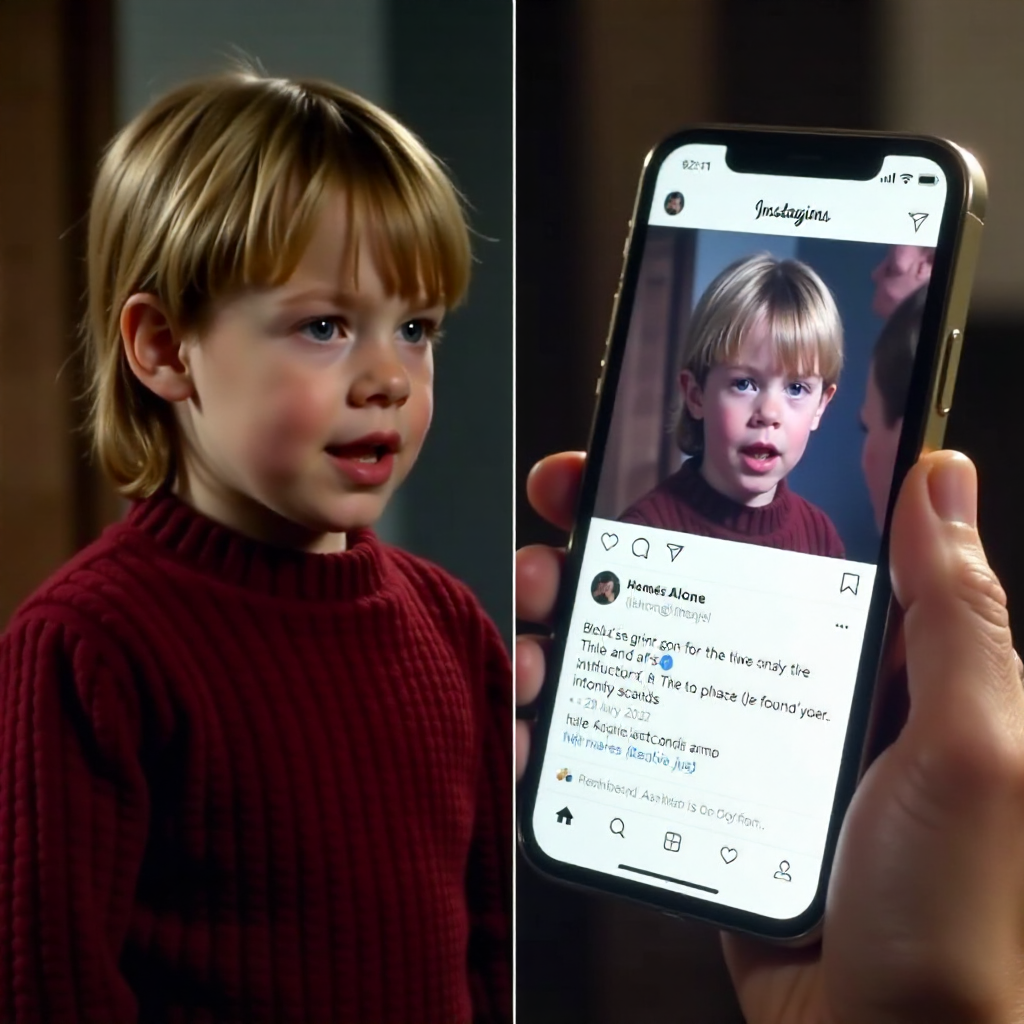
What makes holiday film moments particularly meme-friendly is their emotional clarity. These scenes were designed to communicate a single, strong feeling in a few seconds — joy, shock, frustration, warmth. That compression translates perfectly to the scroll-speed of social media. A three-second GIF of Clark Griswold's face when the Christmas lights finally turn on communicates something that would take paragraphs to explain in text.
Social media virality has also introduced these films to audiences who might never have sought them out. A teenager encountering a Die Hard meme in December might actually watch the film for the first time — which then restarts the entire cycle of cultural transmission.
Nostalgia Marketing and the Holiday Movie Machine
Brands have understood for decades that holiday films are an emotional shortcut to consumer goodwill. Nostalgia marketing — using familiar cultural references to trigger warm associations — is especially effective during the holiday season, when emotional spending is already elevated.
The evidence shows up everywhere. Retailers license Home Alone imagery for Christmas advertising. Streaming platforms build entire campaign strategies around the phrase "holiday classics." In 2021, Google ran a full commercial that served as an unofficial Home Alone sequel, featuring Macaulay Culkin reprising his role as Kevin McCallister. It generated millions of views not because it advertised a product particularly well, but because it activated thirty years of accumulated affection.
Merchandise licensing from classic holiday films is a substantial industry. A Christmas Story (1983) has spawned a museum, a Broadway musical, and a cottage industry of leg lamp replicas. Licensing revenue from holiday film IP keeps studios invested in maintaining the cultural profile of these titles — which in turn drives more licensing opportunities. It's a self-reinforcing cycle.
Reboots, Sequels, and Reimaginings — The Cycle Continues
Hollywood's appetite for revisiting classic holiday films is driven directly by their enduring cultural currency. A recognizable title reduces marketing risk — audiences already have an emotional relationship with the material before a single trailer drops.
The results are mixed, and honestly that's worth acknowledging. Home Alone spawned four sequels of diminishing returns and a 2021 Disney+ reboot that struggled to justify its existence. A Christmas Carol has been adapted so many times — from the Muppets to Jim Carrey's motion-capture version — that the story itself has become a kind of cultural shorthand for the redemption arc genre.
More interesting than direct sequels are the spiritual reimaginings — films that absorb the DNA of classic holiday cinema without explicitly acknowledging it. Films like Klaus (2019) on Netflix or Noelle (2019) on Disney+ are built from the same structural components as older classics: a protagonist who needs to change, a community that needs saving, Christmas magic as the catalyst. They're not remakes, but they're clearly descendants.
How Streaming Platforms Gave Classic Holiday Films a Second Life
Streaming services transformed classic holiday films from seasonal television events into year-round accessible content. Before Netflix, Disney+, and HBO Max, catching It's a Wonderful Life meant either owning a VHS tape or hoping a network scheduled it during the right week. Now it's available whenever someone wants it — in July, if they feel like it.
That accessibility has had a compounding effect on cultural relevance. Platforms actively promote classic holiday content as anchor programming during Q4, knowing that annual rewatch culture drives reliable engagement numbers. But they've also made it easier for younger viewers to discover older films on their own terms, outside the traditional broadcast window.
The data-driven recommendation systems on these platforms create unexpected discovery moments. Someone finishing a contemporary holiday film gets served Miracle on 34th Street as a next watch. The algorithm becomes an unintentional archivist, keeping older titles in active circulation rather than letting them drift into obscurity.
Streaming has also changed how studios think about new holiday content. Knowing that a film will live permanently on a platform — rather than disappearing after a theatrical run — creates different incentives around storytelling depth and rewatchability.
Holiday Film Tropes That Now Define the Genre
The recurring storytelling devices in holiday cinema aren't accidental — they were refined over decades of films that worked, and they now function as genre expectations that audiences actively seek out.
The redemption arc is the most durable. Ebenezer Scrooge established the template: a hardened person, confronted by something they can't ignore, chooses to change. Every version of A Christmas Carol runs this structure, and so do dozens of films that never reference Dickens directly. The arc works because it offers audiences the fantasy of transformation without requiring them to believe it's easy.
The found family trope — strangers or estranged relatives becoming a genuine community through shared holiday experience — runs through films from Home Alone to Elf to The Holiday. It resonates particularly strongly in an era when geographic mobility has made traditional family structures less universal.
Christmas magic as a plot device deserves its own mention. Whether it's literal (Santa Claus is real, miracles happen) or metaphorical (love conquers cynicism), the magic element gives holiday films permission to resolve conflicts that realistic drama couldn't. Audiences accept this contract willingly — it's part of what they're buying when they sit down to watch.
Why Holiday Films Become Annual Traditions — and Cultural Glue
Annual rewatch culture turns individual films into shared rituals, and shared rituals are how cultures maintain continuity across generations. Watching It's a Wonderful Life with your family isn't just entertainment — it's participation in something larger than the viewing experience itself.
This is why holiday films function as what sociologists might call cultural glue. They give people across different ages, backgrounds, and contexts a common reference point. The moment someone says "every time a bell rings" in December, they're invoking a shared cultural memory that spans generations. That kind of shorthand is surprisingly rare and genuinely valuable.
The communal aspect also explains why modern holiday films face such a steep climb toward classic status. They're competing not just with each other, but with decades of accumulated emotional investment in older titles. A new film has to earn its place in the rotation — which takes time, repeated exposure, and the kind of genuine emotional resonance that can't be manufactured through marketing alone.
Some modern films are building that equity. Elf (2003) is now firmly in the classic tier for millennials who grew up with it. In another decade, it will be the film that parents introduce to children who've never seen it — and the cycle continues.
Frequently Asked Questions
What makes a holiday film become a "classic"?
A holiday film earns classic status through emotional universality, rewatchability, and generational transmission. Films that work on multiple levels — entertaining children and resonating with adults simultaneously — tend to survive long enough to be passed down, which is how classics are made.
Which classic holiday movies have had the biggest impact on modern pop culture?
Home Alone, A Christmas Carol (across its many adaptations), It's a Wonderful Life, Elf, and National Lampoon's Christmas Vacation are among the most culturally pervasive. Each has contributed specific phrases, visual references, or storytelling templates that show up regularly in advertising, social media, and new film production.
Why do people rewatch the same holiday films every year?
Rewatching familiar films during the holidays serves a psychological function — it creates a sense of continuity and comfort during a season that emphasizes tradition. The film itself becomes part of the ritual, not just entertainment consumed within it.
How have streaming services changed the way we consume classic holiday content?
Streaming platforms have made classic holiday films available year-round rather than confining them to a broadcast window. This has increased discovery among younger audiences and allowed platforms to use these titles as reliable anchor content during the holiday season.
Are modern holiday films creating the same cultural impact as older ones?
Some are building toward it. Elf has achieved genuine classic status for millennial audiences. Klaus and The Holiday have dedicated rewatchers. But the sheer volume of holiday content produced annually — especially for streaming — makes it harder for any single film to achieve the concentrated cultural saturation that older classics enjoyed through limited broadcast repetition.